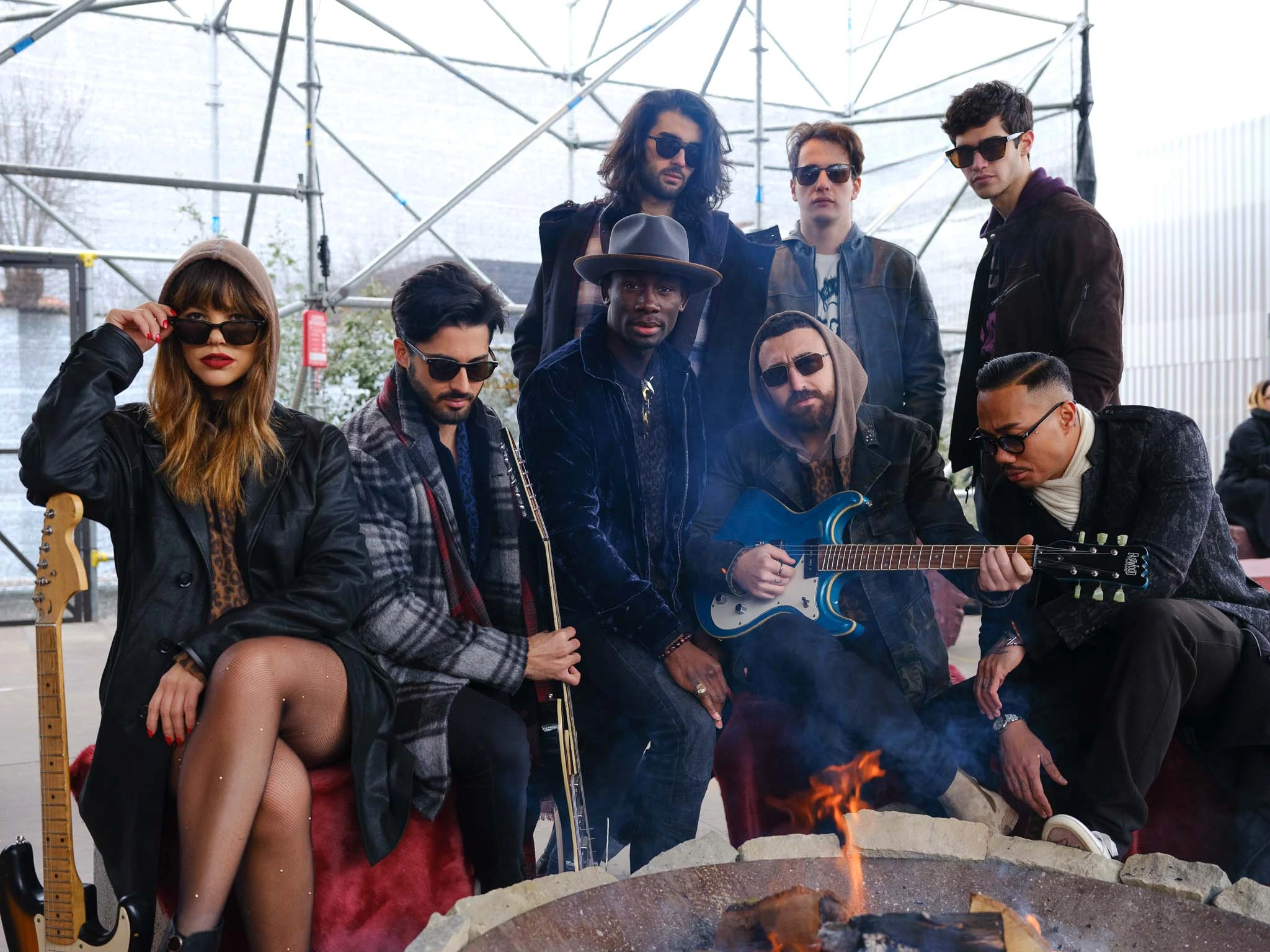
During the 95th edition of Pitti Immagine Uomo, I was contacted to shoot for the American brand John Varvatos.
The project was very interesting for two reasons: first, my models were all well-known international fashion influencers I have known for years, so we had a very good relationship — and you know how important it is to feel comfortable with who you are shooting. Second, I have to admit (and I didn’t get any money for saying it) that I loved the style of the collection I had to shoot, since I’m a big rock fan (I even had a band before I moved to Florence). So shooting this crew with this cool outfit and electric guitars and Marshall amps was a joy.
Another important point for me to look forward to in this shooting was that it was the first one where I was going to use the new Fujifilm 50R.
Yes, I had the chance to get the camera with the 45mm f/2.8 and the 110mm f/2 for the entire duration of Fashion Week in Florence.
I already posted some first photos from my first contact with the Fujifilm GFX 50R, but that was really a quick look. For Fashion Week, I could get more in-depth with the camera and get a real sense of whether it was worth a possible future investment (I would have to buy the camera + a new lens).
For sure, one of the questions that a Fujifilm X-series owner could have is: can you really see the difference in quality from the GFX compared to the X series?
Well, yes.
I have to say that my initial expectations were exceeded. I will dig into the lens quality in more detail in the next post; in this one, I want to focus on one aspect that caught my attention: the quality of the final JPG.
Usually, as an X-Series owner who has shot for about 4-5 years with Fujifilm mirrorless cameras, I’m aware of the quality of the final JPG. But I always prefer to have the raw file, since I also have some corrections to make and want to enhance the photo’s sharpness by developing the file in Capture One Pro 12, or by converting the RAF file to DNG with the Iridient X-Transformer and then developing it in Lightroom.
Well, the JPG from the GFX is perfect. I was amazed that what I needed was already there. I set the camera to use the Astia color film simulation and set the Color to “+2”. The white balance was perfect, and the exposure and final sharpness were as I wanted. So there was almost no need for me to develop the RAF file (I shot RAW + JPG, of course), since the file was perfect. I only added a slightly small tone curve to add a bit of contrast.

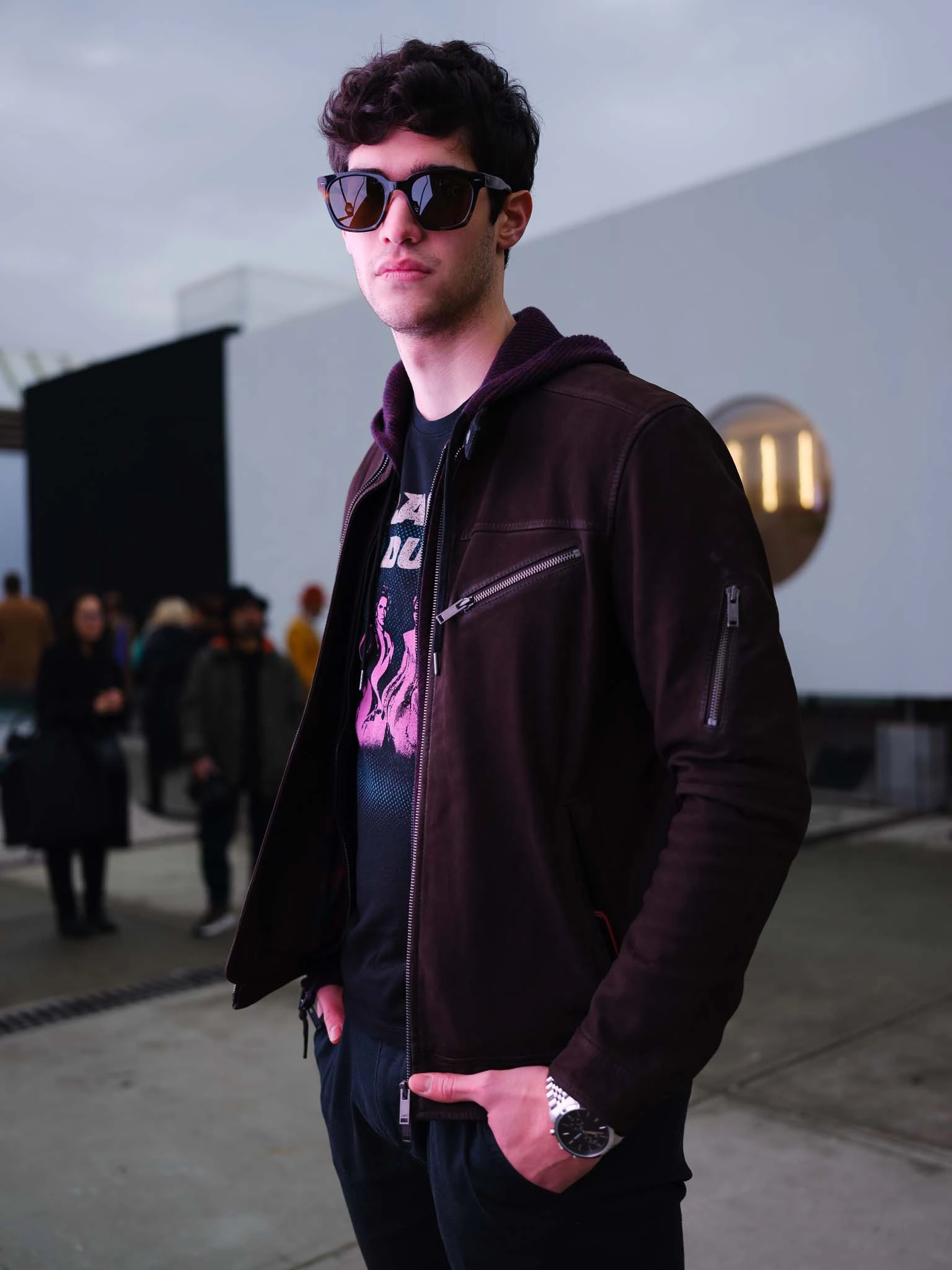
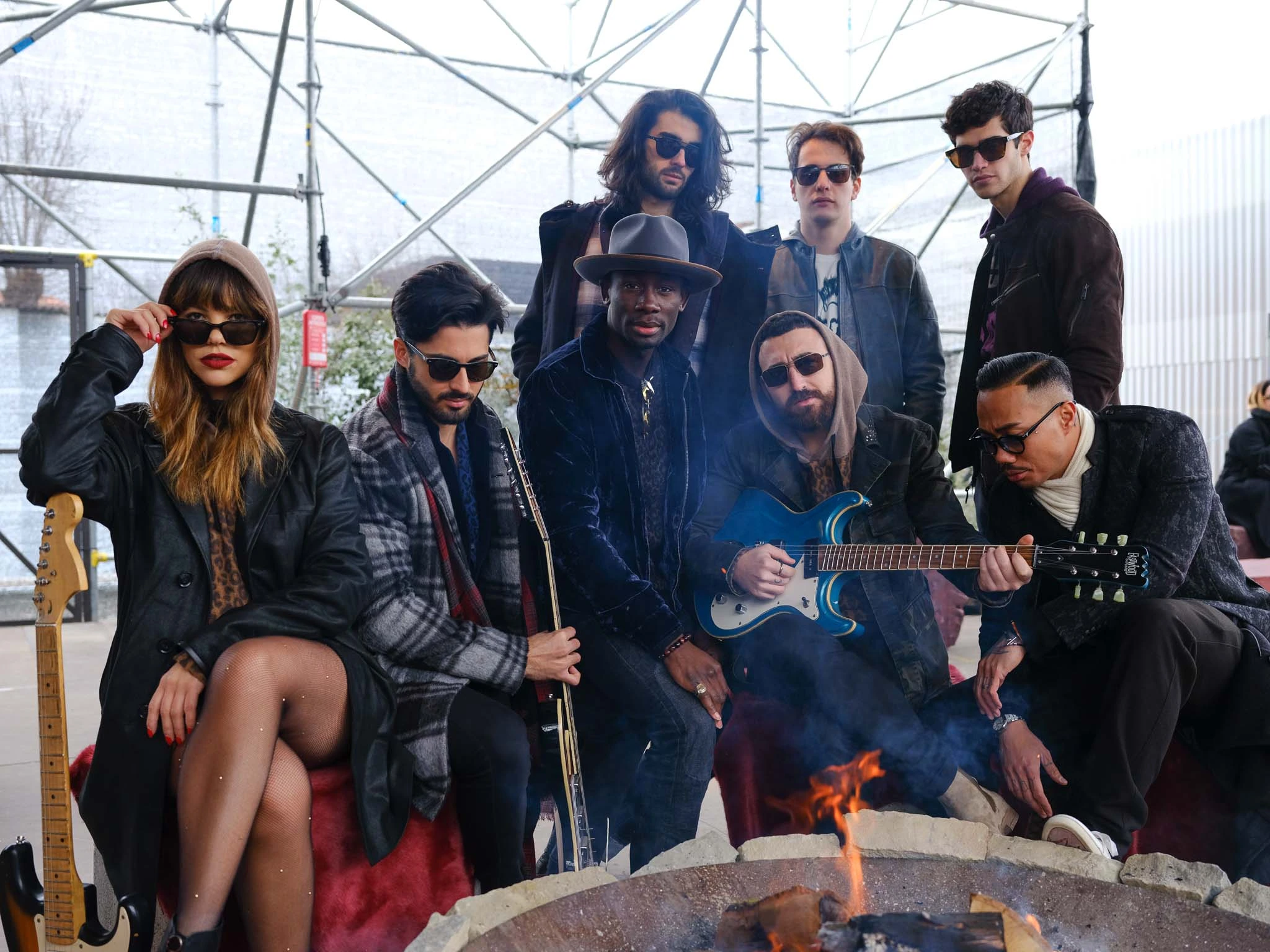


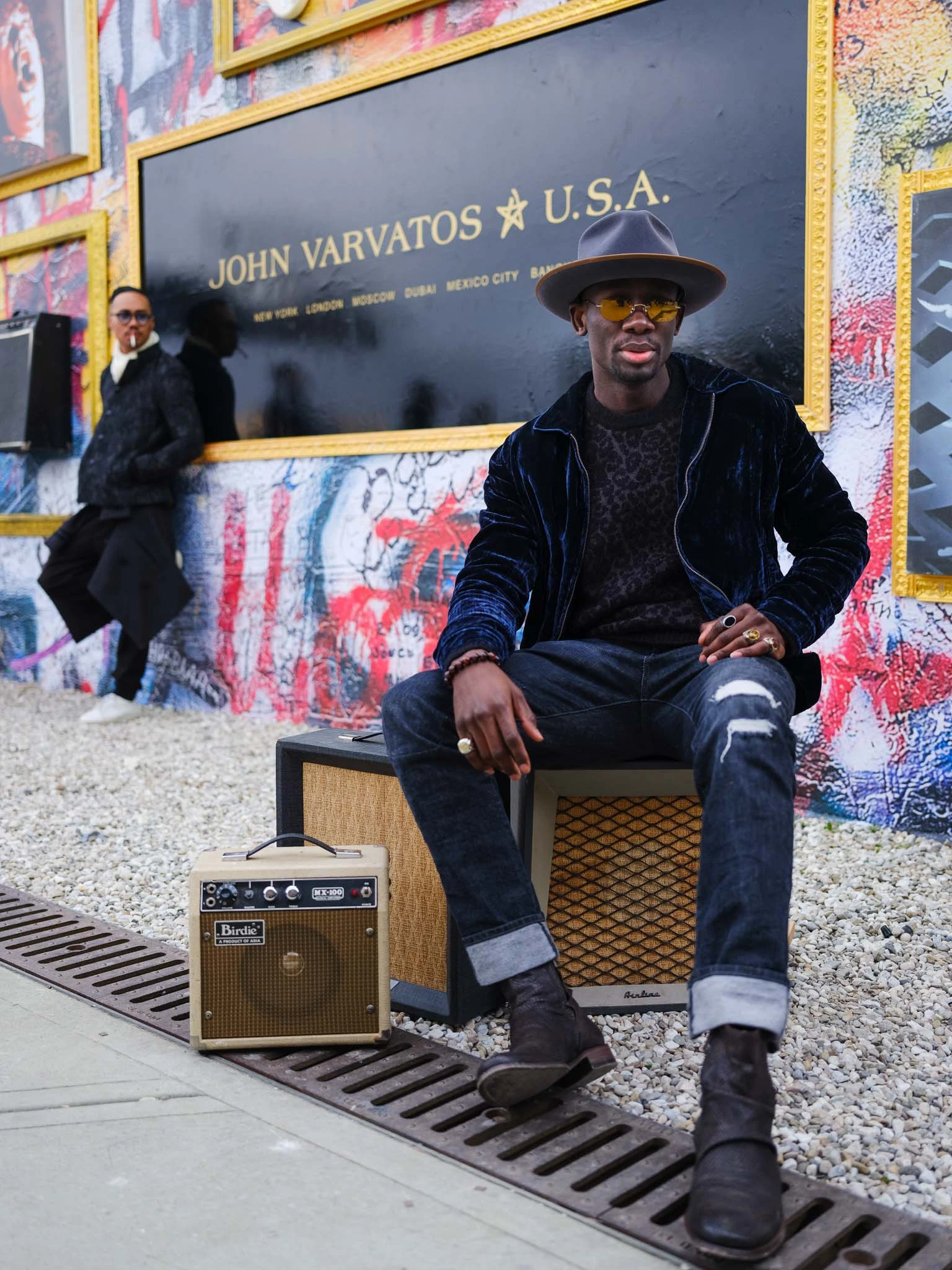
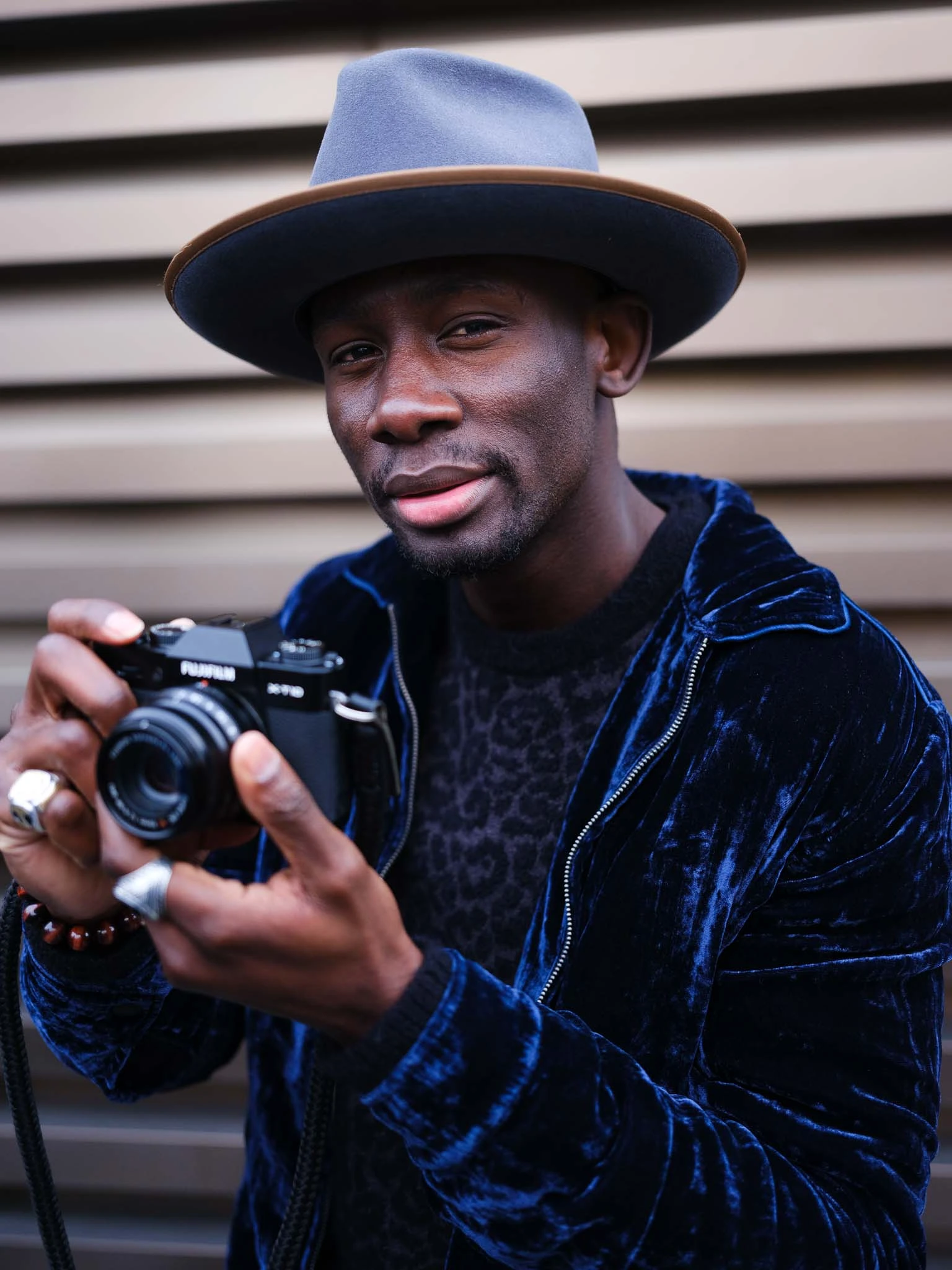
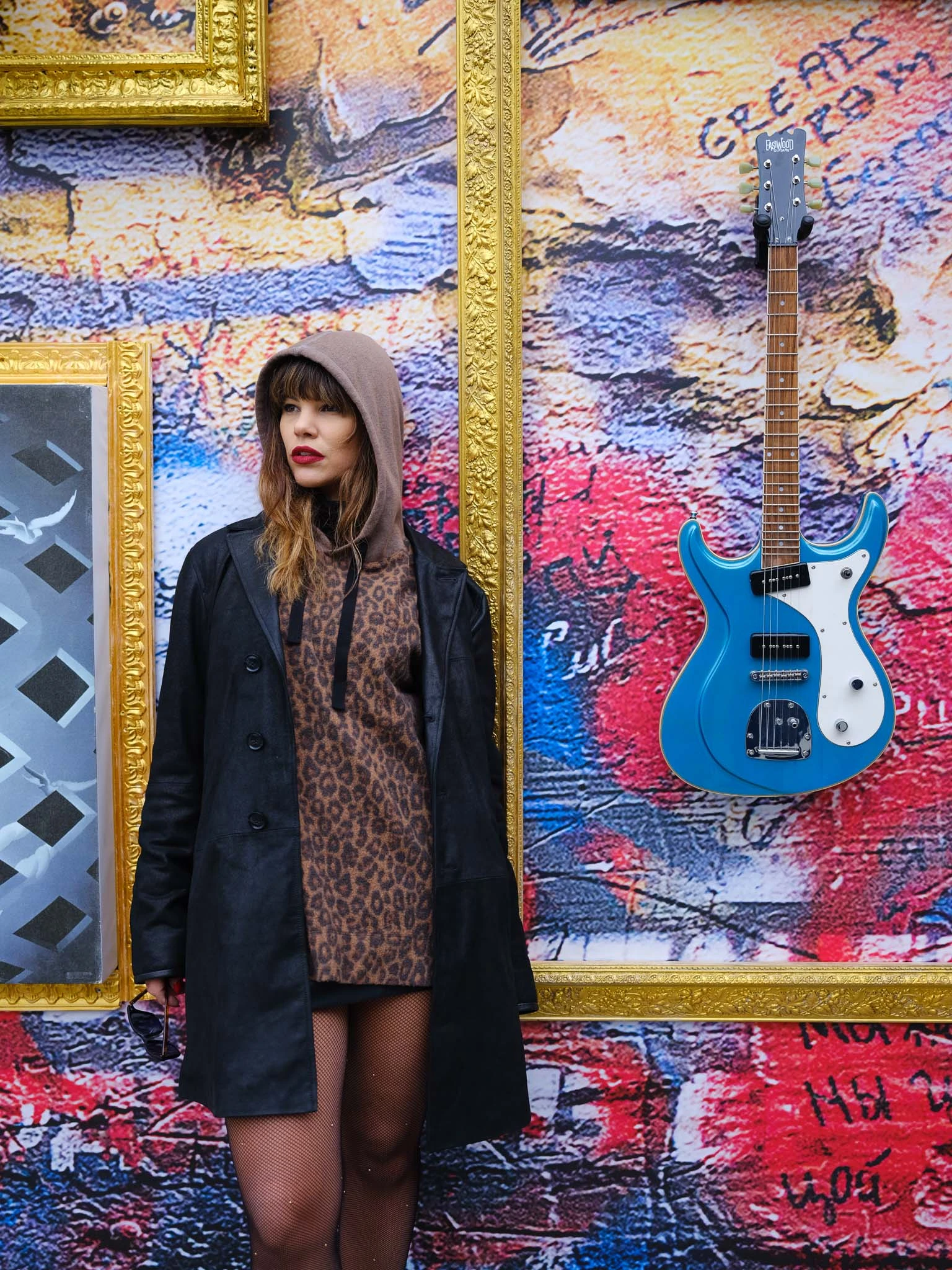


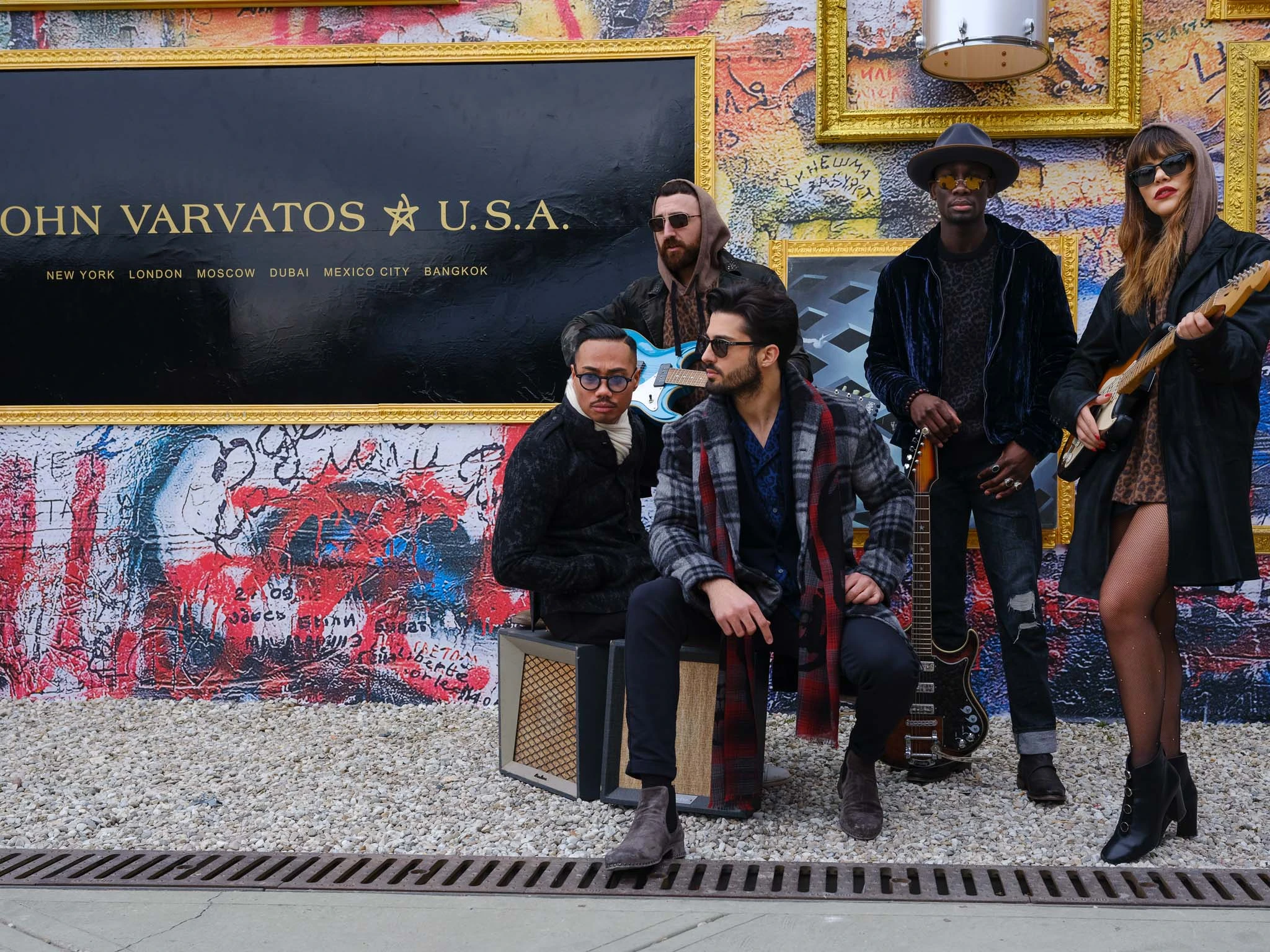
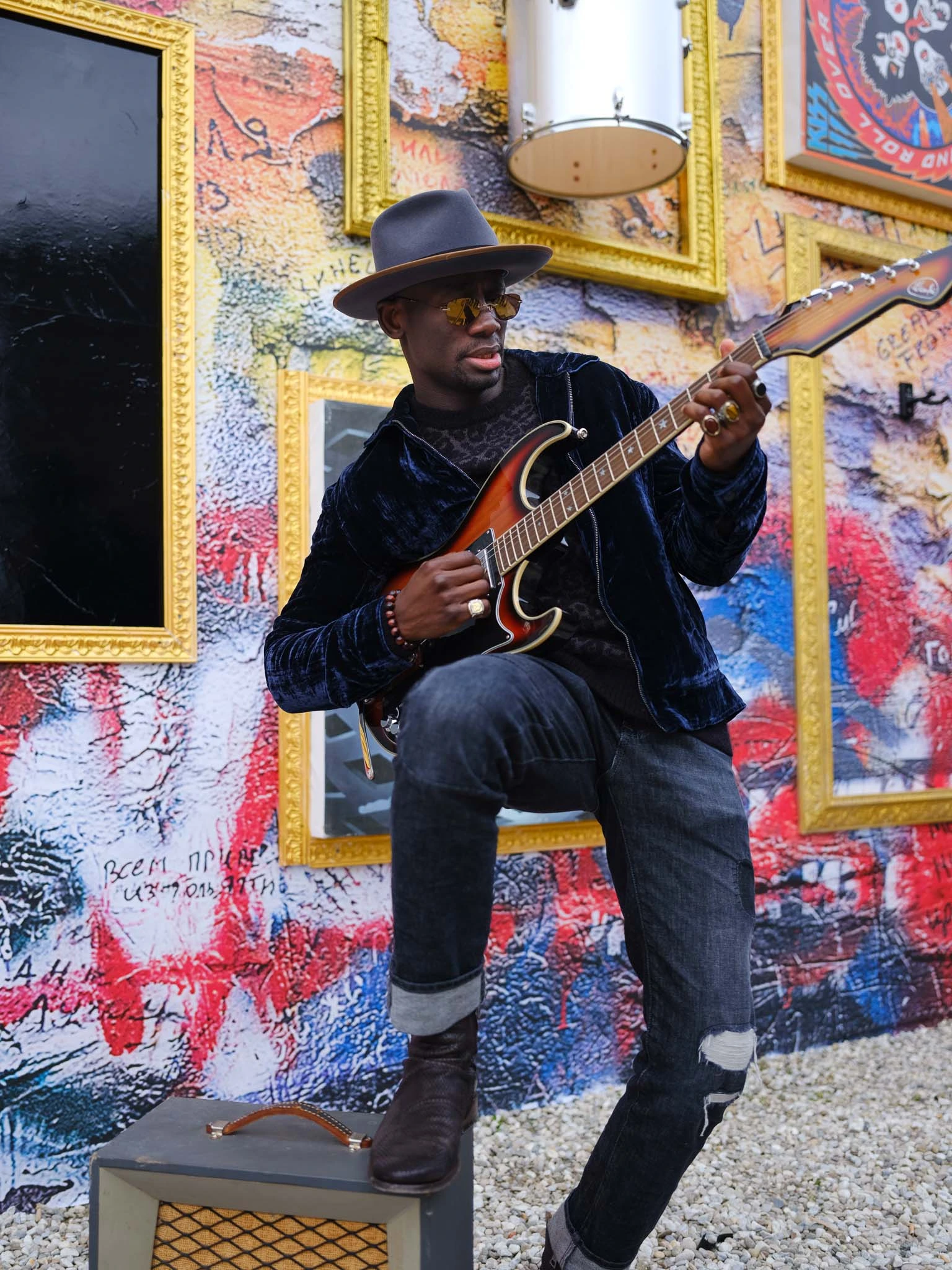
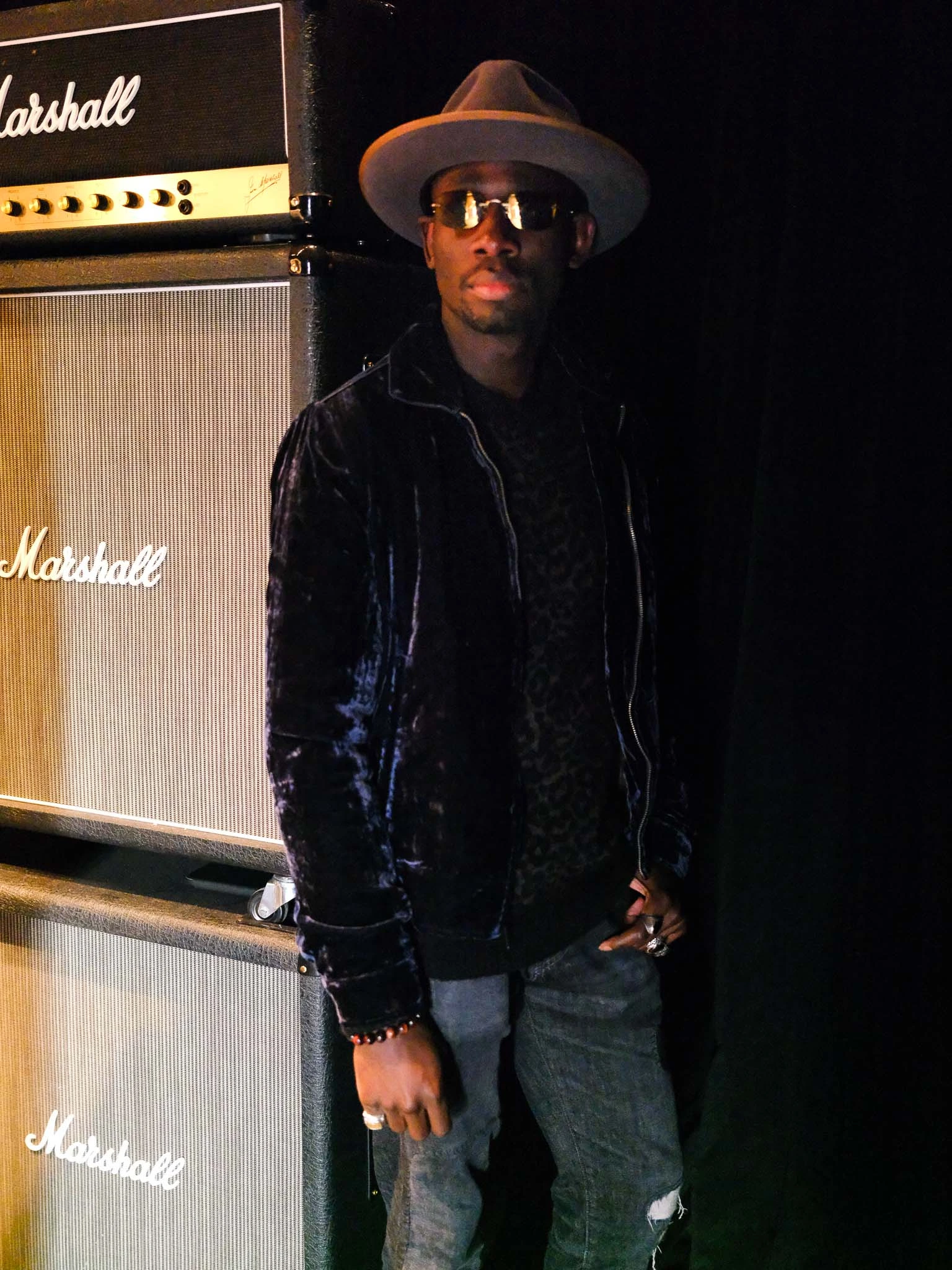
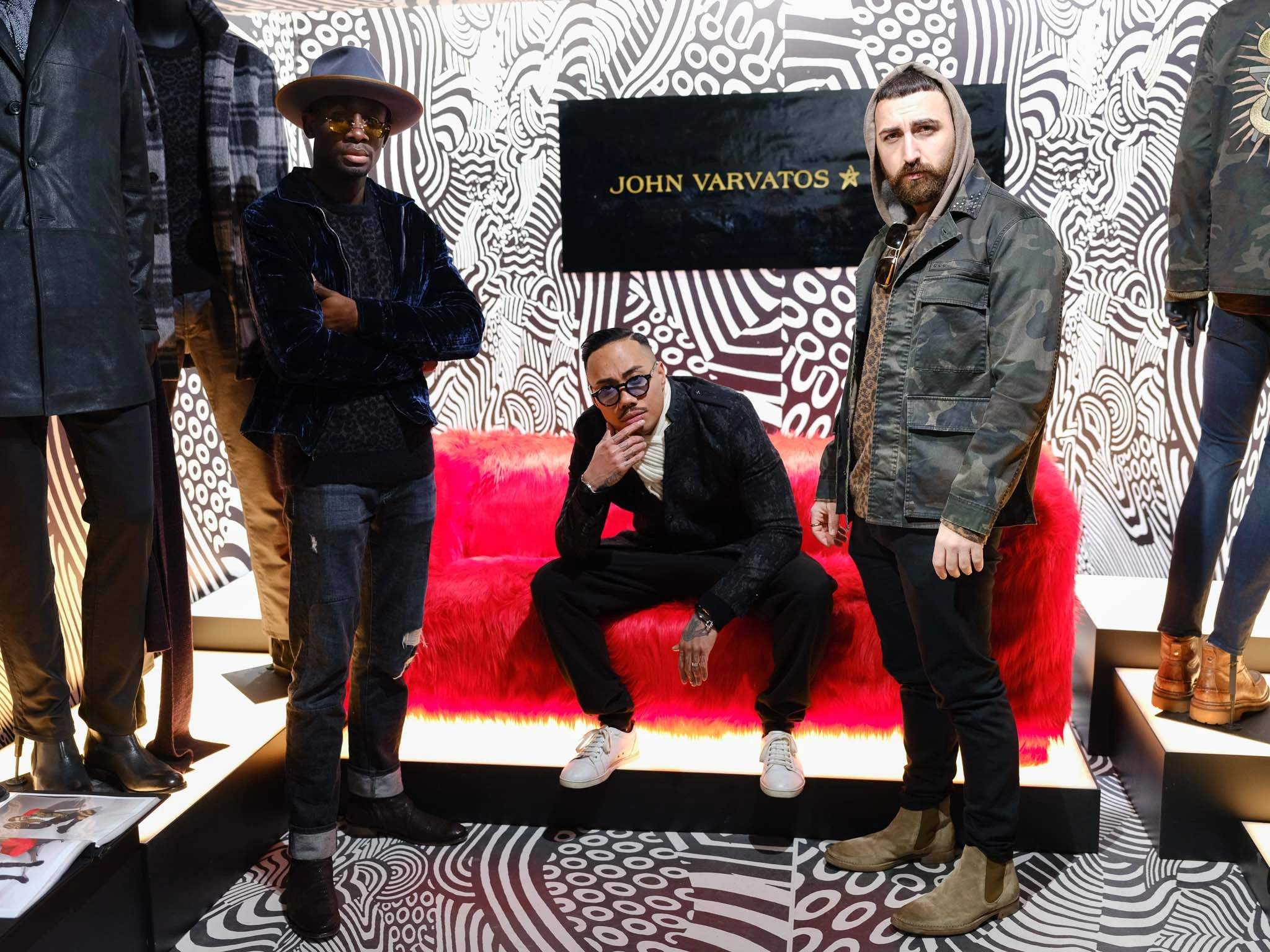

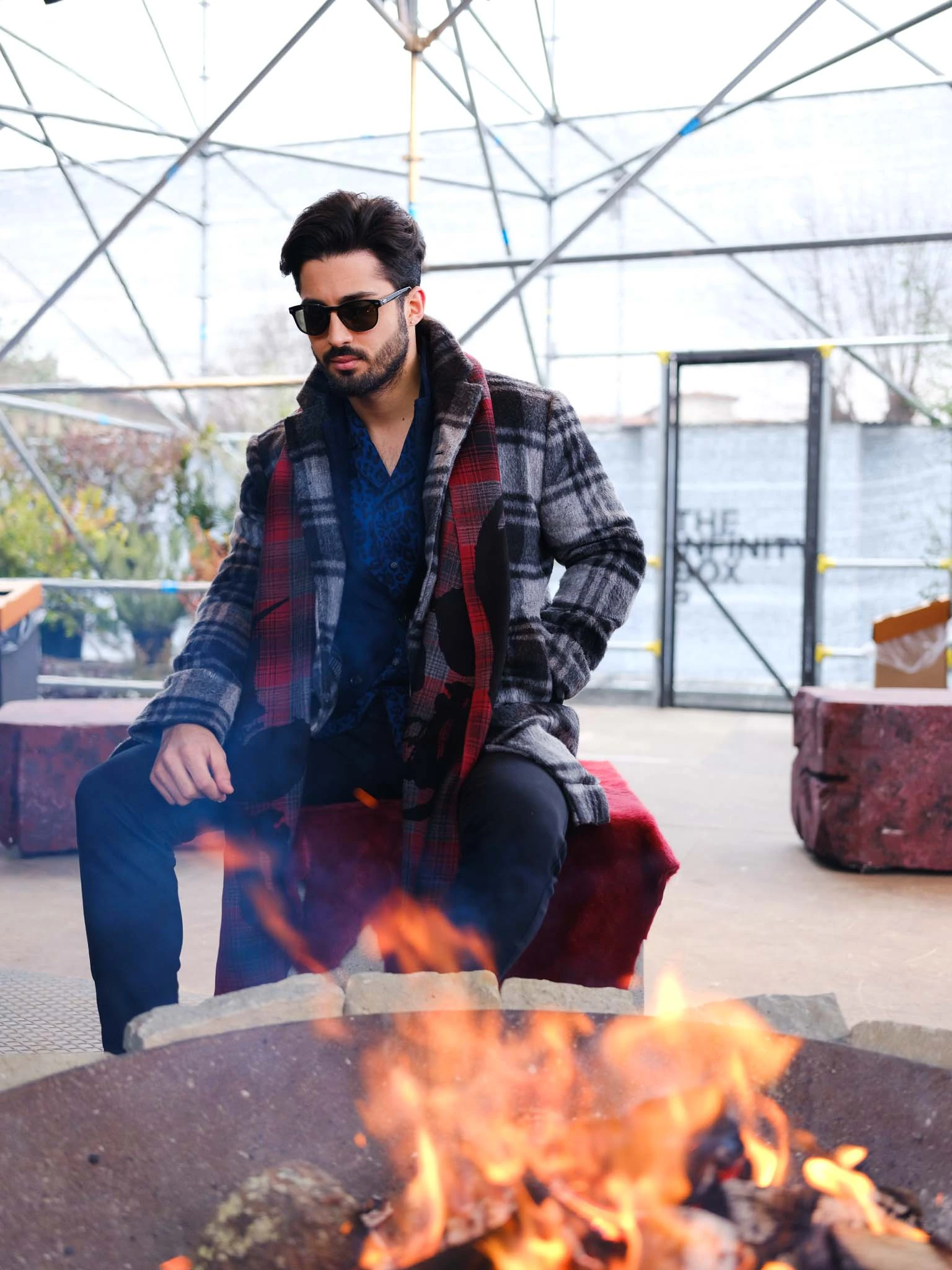
I found this way of shooting with the Fujifilm GFX 50R to be the same as what I had this summer while I shot with an old Pentax 67 on film: when you get the film scanned, you have a final JPG file that is ready to use, because there is no need for post-processing. You save a lot of time.
I think this is a good exercise for all of us photographers: try to get the correct final shot directly from the camera. We can save a lot of time on post-processing after the shooting.
Someone may complain that using a JPG file may not be high enough quality for large printing, given the 50-megapixel resolution. Well, you can always use the Fujifilm X Raw Studio. With the GFX, you can export a pure TIFF file without compression, and you will have the same settings as when shot with the camera on set.
I am curious to know your opinion and whether there’s anyone else who uses only the final JPG from the Fujifilm GFX 50S/50R cameras.
Update 15/1/18
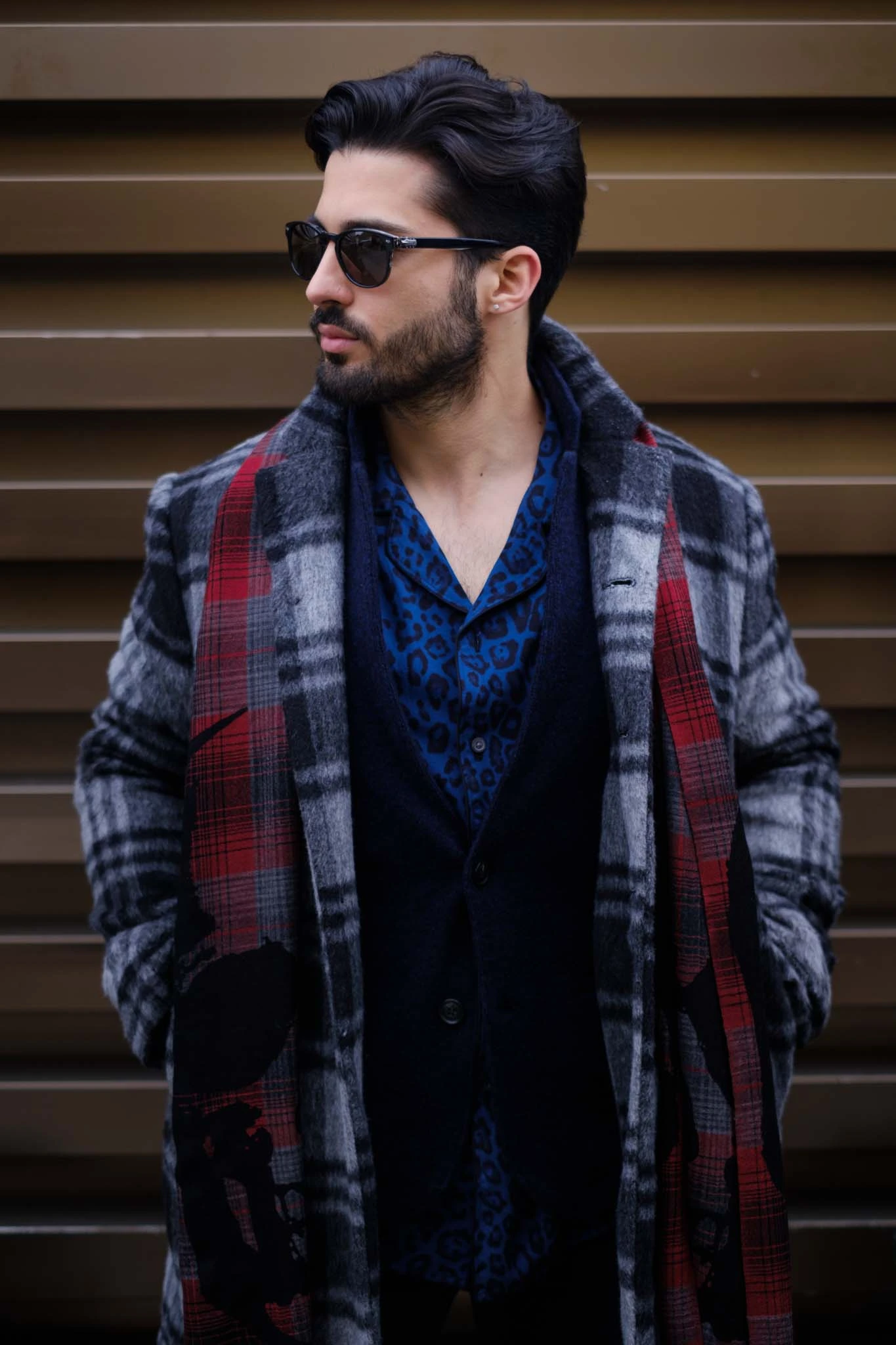
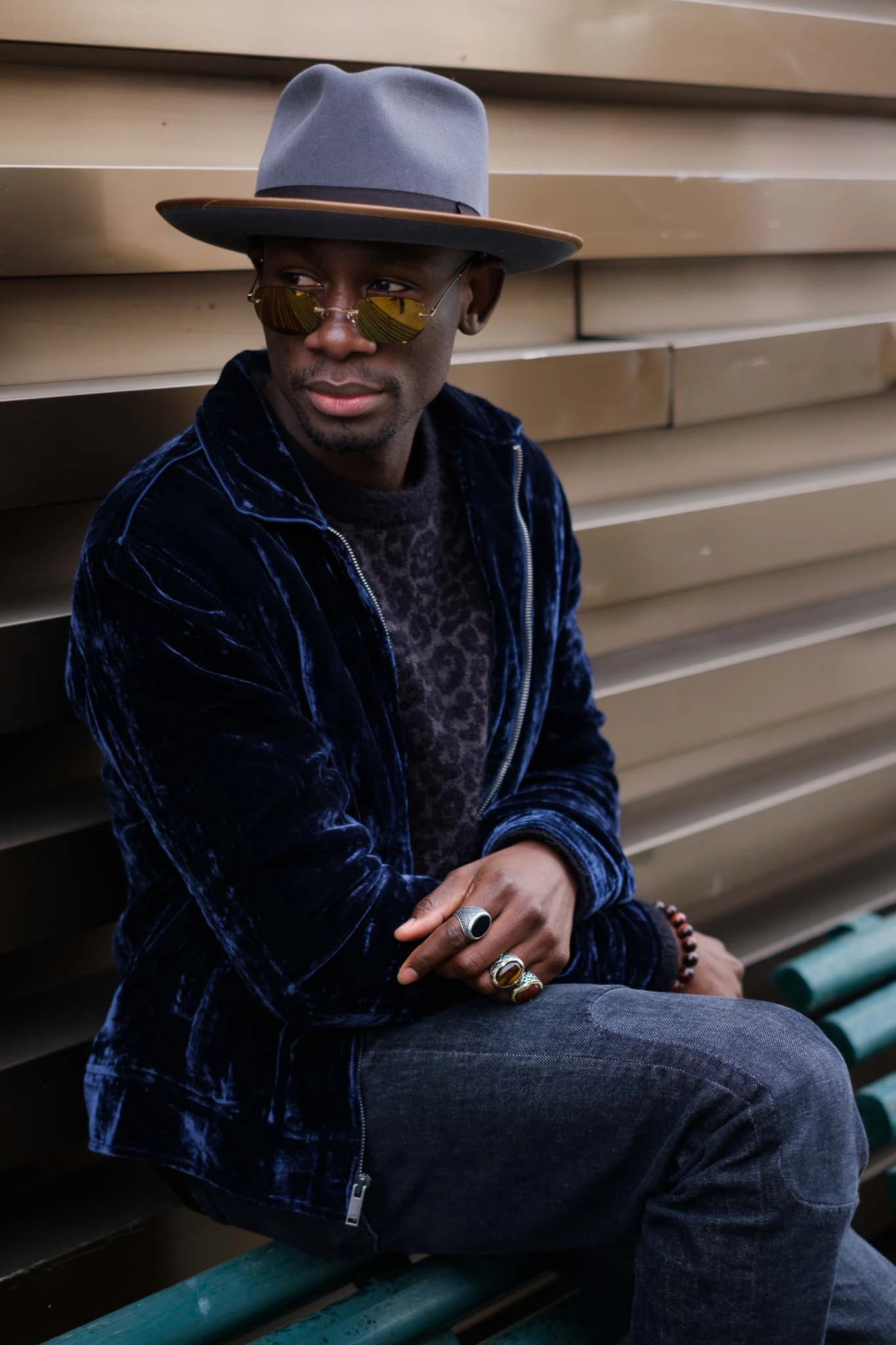
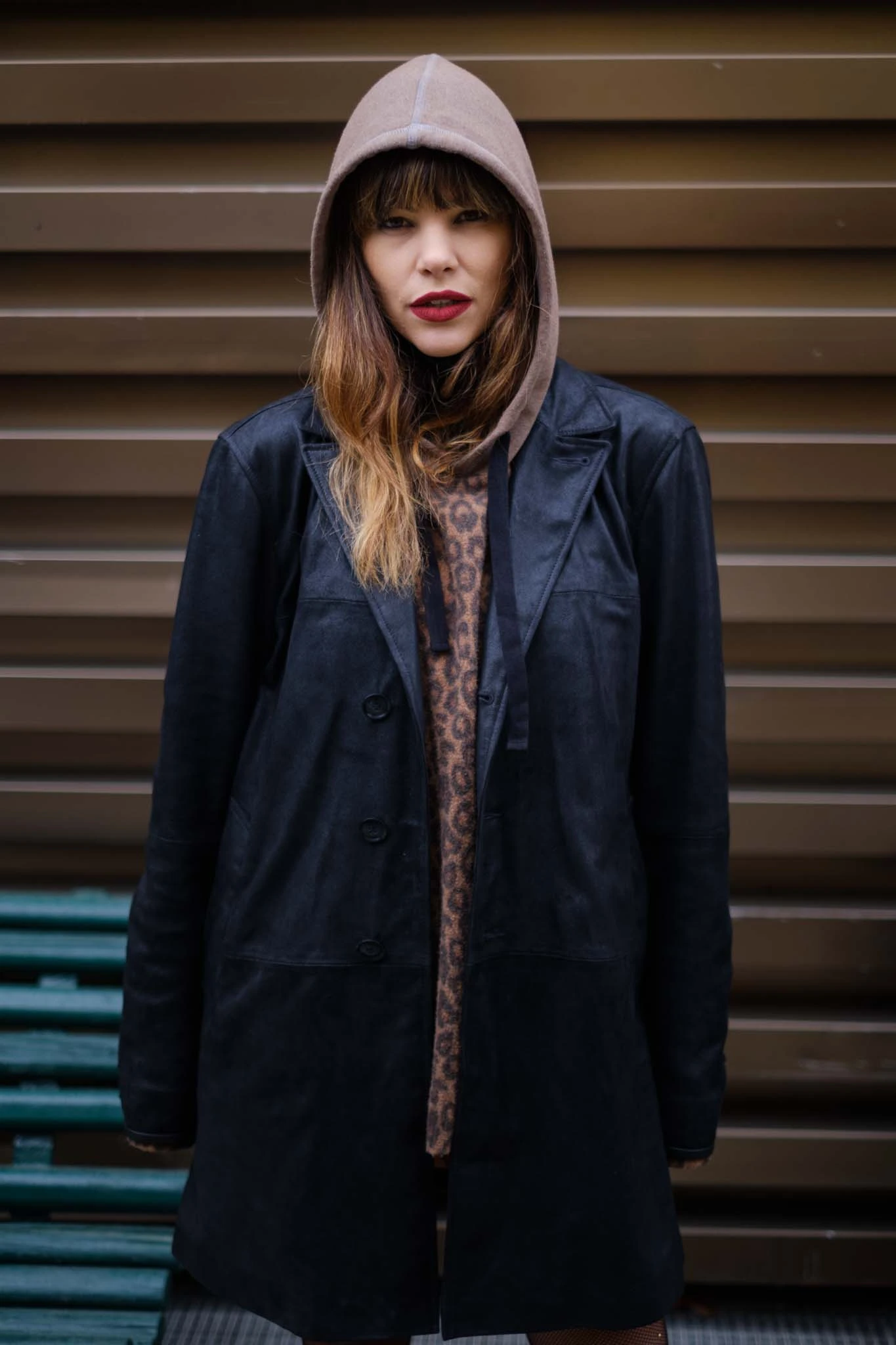
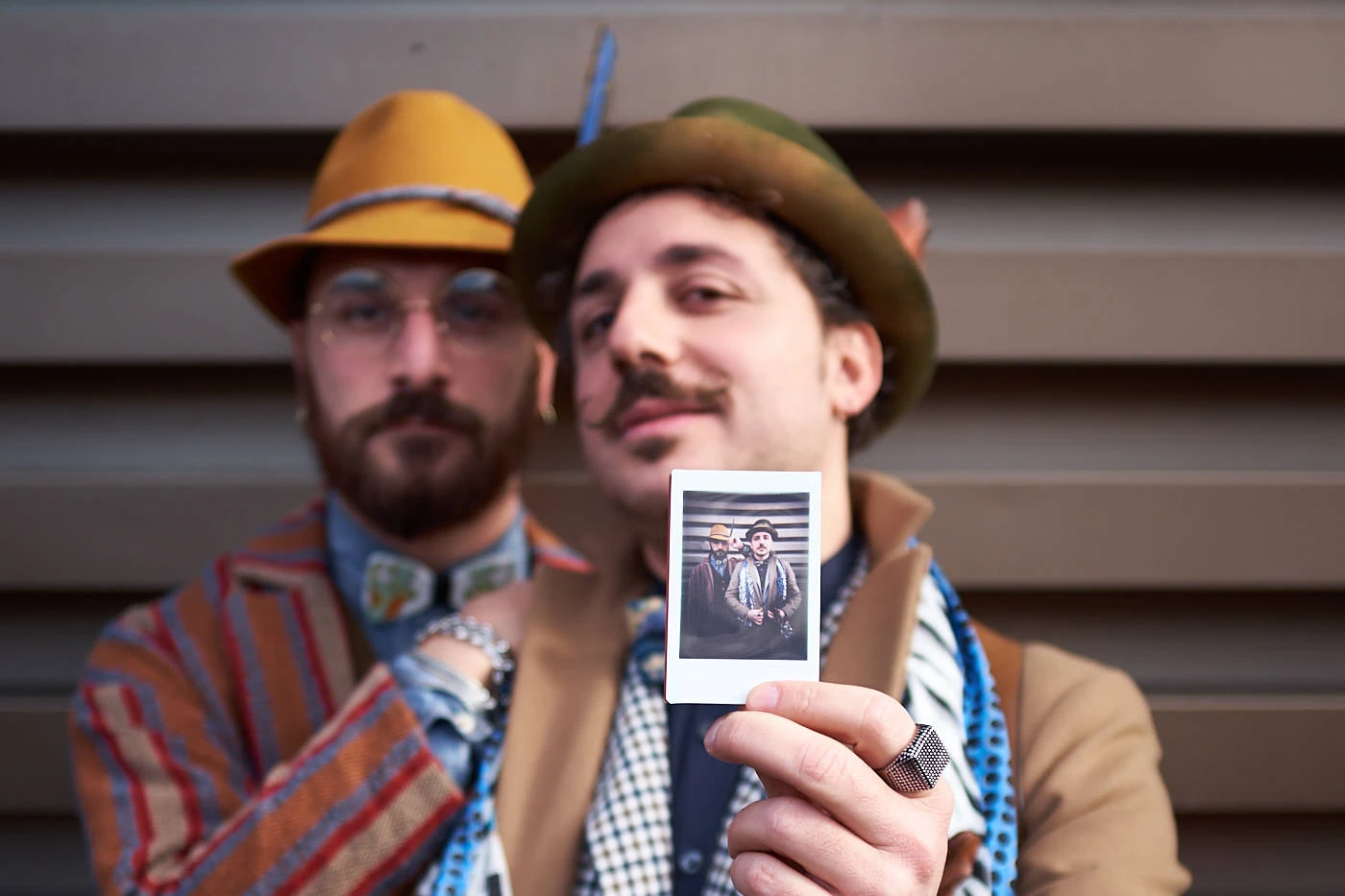
I want to add a portrait gallery of the fashion influencers I shot for this campaign here. These photos were shot with the Fujifilm X-Pro2 and the 35mm f/1.4.





Leave a Reply