
Shooting again with an analog film camera
I have said it many times, but I finally kept my word, and I did it: I went back to shooting with the analog camera.
In reality, the return had already begun in 2018. I had, in fact, decided to take analog photographs during the Pitti Uomo fair in Florence. I also made a purchase that summer by buying a used Fujifilm GA645i. I must say that in recent years I have used it very little, if at all; in fact, I was even on the verge of reselling it…


The problem of analog photography in the past
With this new period of “rest” at the beginning of 2021, and as I wrote in one of my previous posts where I did a bit of a summary of what I have done in the last few months, I went back to studying the analog process.
Yes, because for my part, if I went back to shooting with film, I wanted to be totally in control of the entire process.
One of the advantages of the digital process, when I started using the dSLR in 2005, was precisely that I could manage the entire photographic process myself. In fact, when I started with analog, I unfortunately always had surprises when I picked up the photographs: the colors were not as I wanted them, or I found unwanted dominant colors. Some labs, unfortunately, don’t take enough care with their process chemistry; some may be too old and yield not-so-perfect results. I also often had problems with scratched negatives.
Analog photography from the new generations
In recent years, the landscape of analog photography has changed significantly. There has been a progressive rediscovery of this shooting experience. Much of this is also due to the new generations of very young photographers, the digital natives, who are becoming passionate about these vintage-flavored instruments (such as the return of the vinyl record and the cassette).
For my part, having started with analog photography in the early 2000s, I wanted to shoot with a process that still has a unique charm and an aesthetic result that is difficult to match with filters and presets when shooting digitally…
As I said above, I wanted to be fully in control of the process, so I also studied how to develop color film at home. I had heard in the past that it was a prohibitive process for those who did not own the specific, expensive equipment, so I never really pursued it.


Analog film photography: what has changed today
But then, thanks to a series of YouTube videos, I saw that some color development kits (for the C-41 process) have arrived on the market, allowing you to develop at home without much difficulty.
One important aspect of color film development is temperature control. The first stage of film development must, in fact, be exactly +38 °C. You can deviate about +/- 0.3C, so you have to be very precise.
In this regard, I therefore purchased an accessory for controlling the temperature of the baths produced by CineStill.
I must say that, despite some minor errors due to the inexperience of the initial development, I obtained very satisfactory results.


About this portrait session with the analog camera
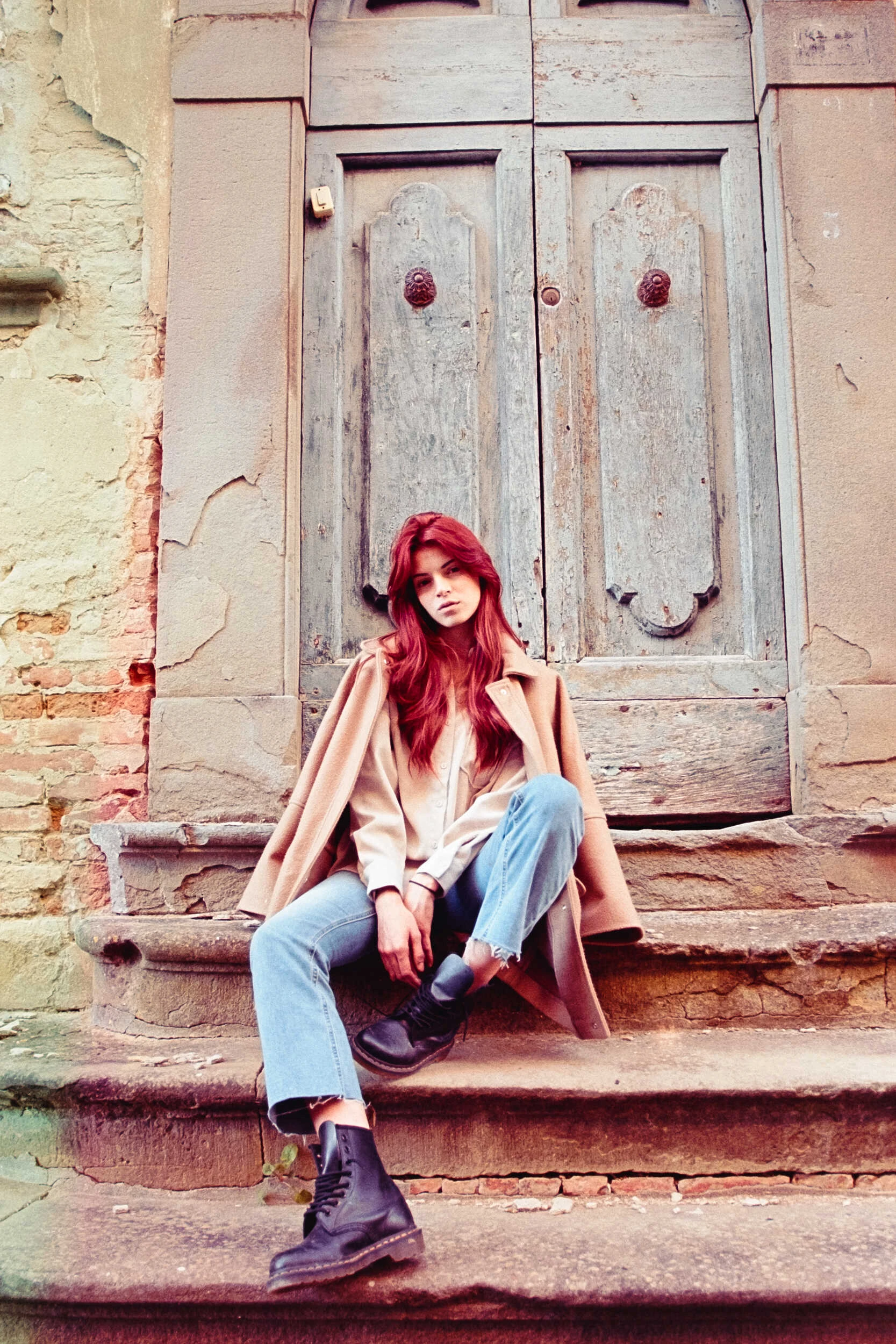
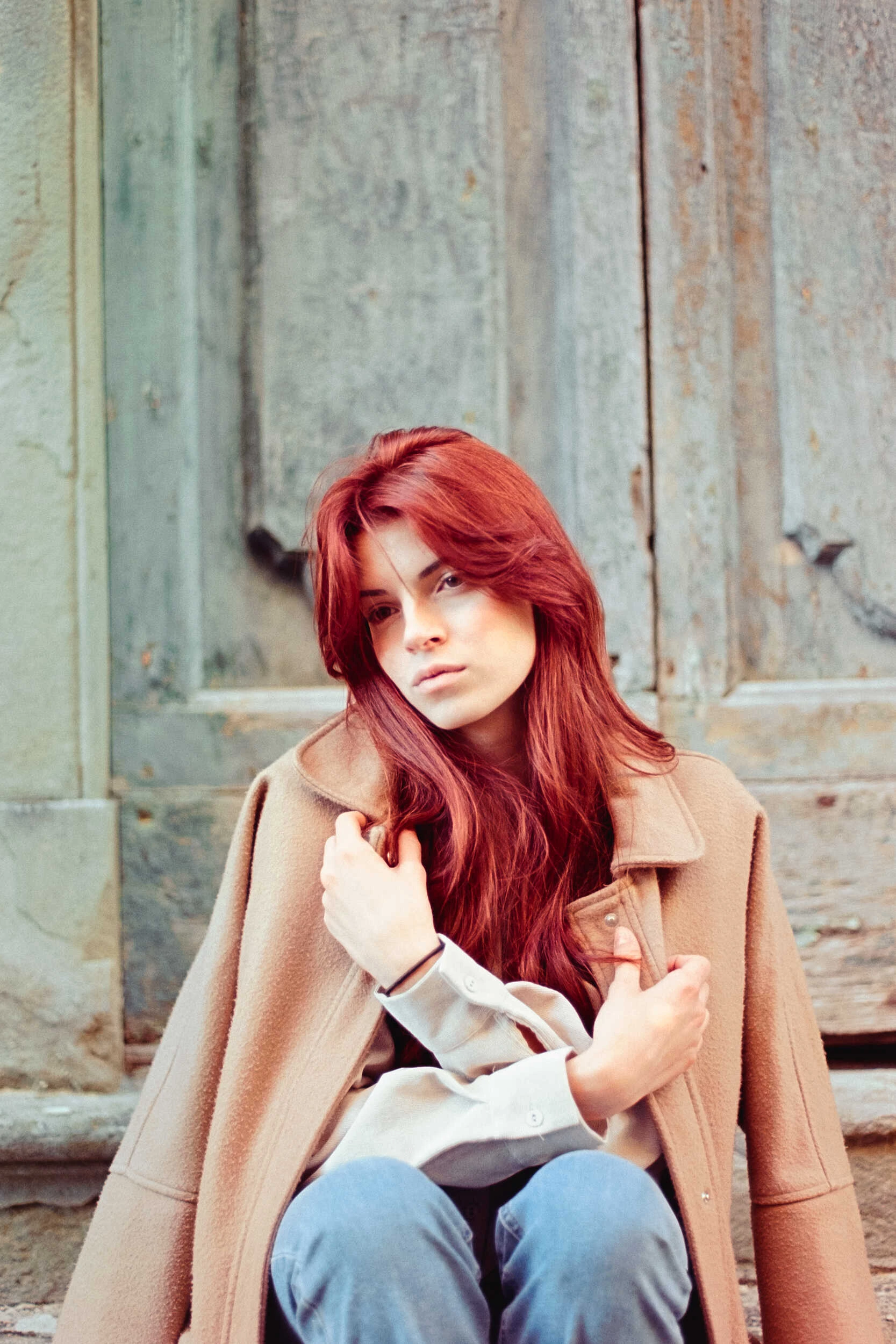
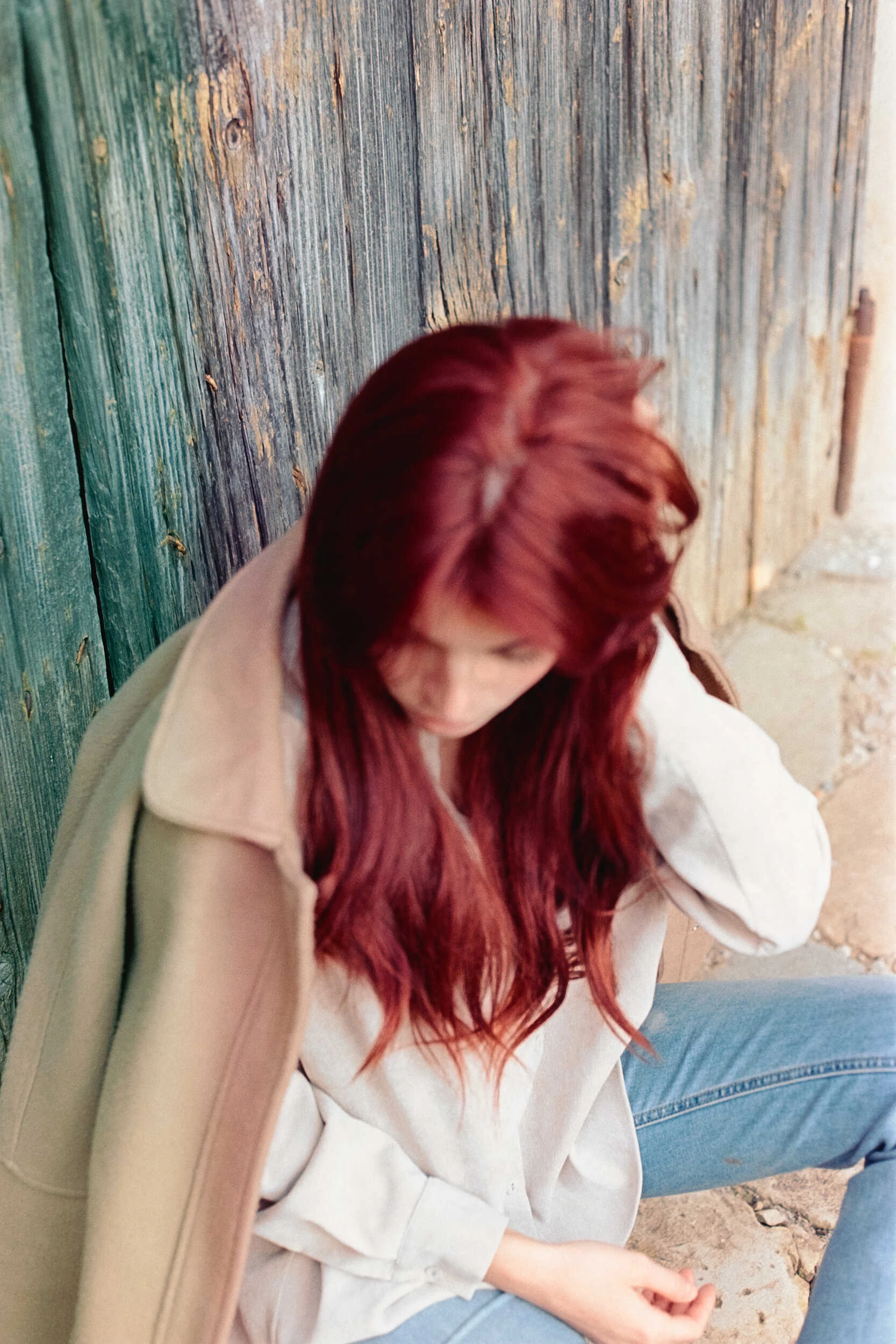
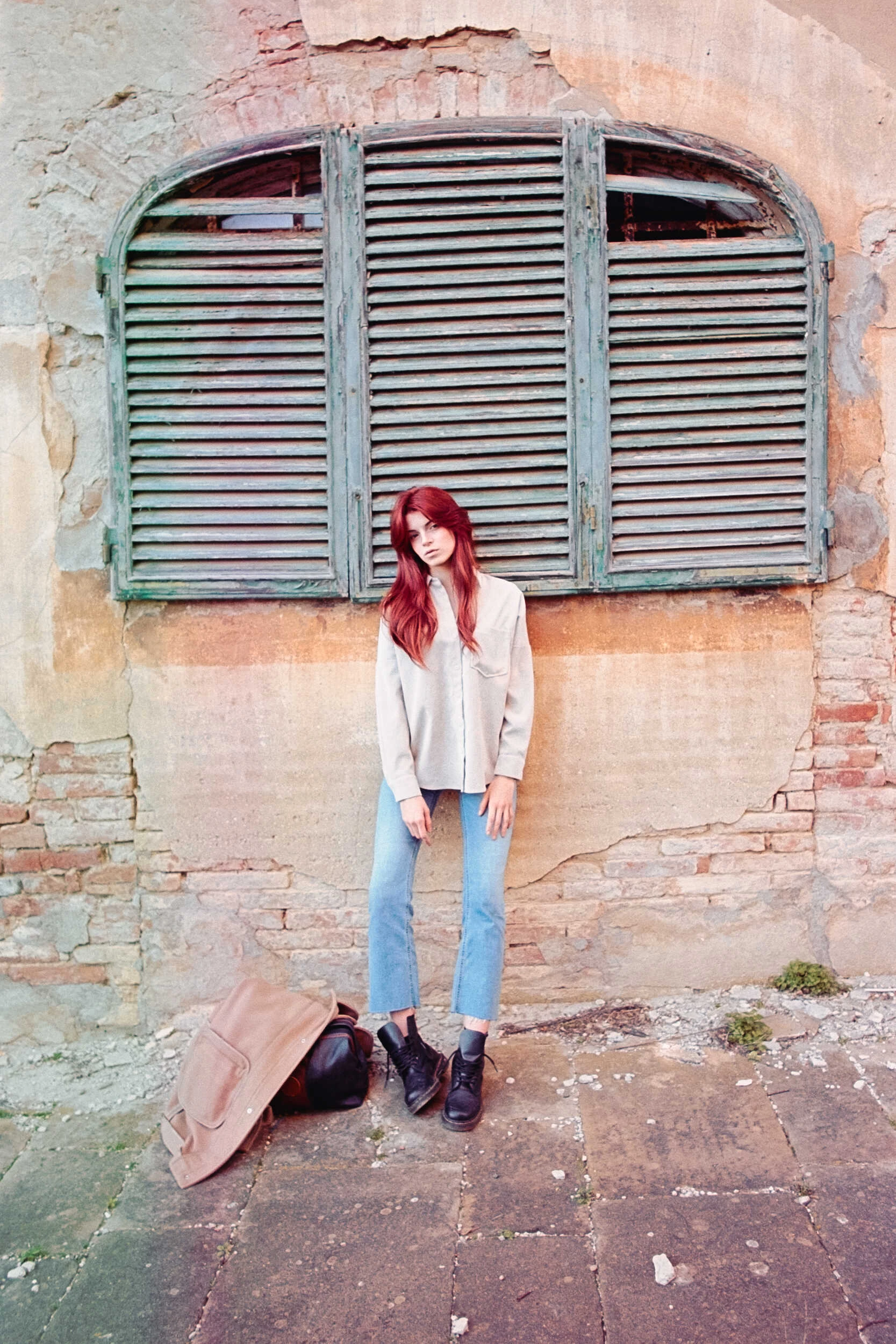
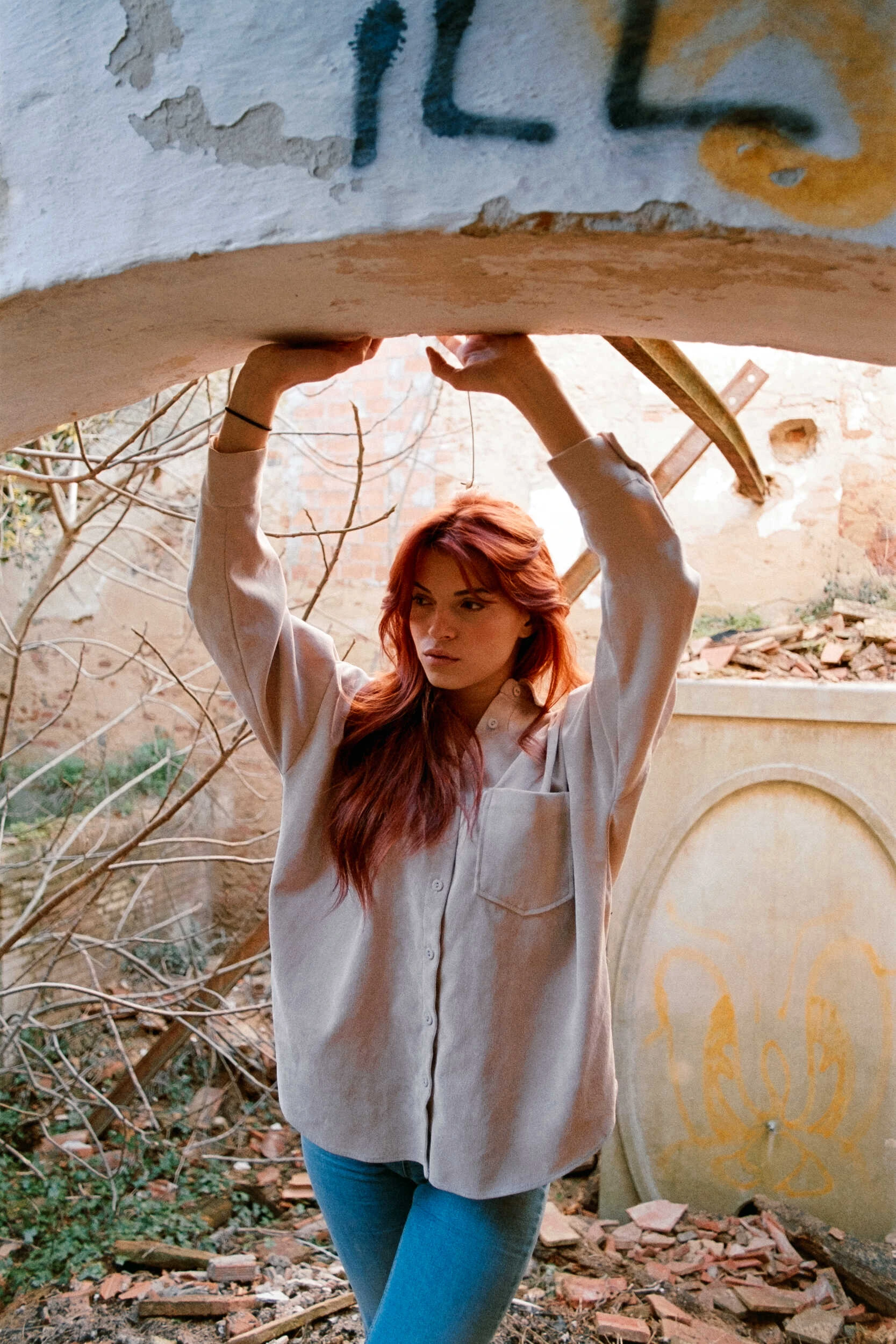
This photographic portrait session with model Rita was shot using a Pentax MX analog camera with the 28mm f/3.5 and 50mm f/1.7 lenses. This is an excellent analog camera in 35mm format (what we now call “full frame”) that can also be found at great prices on eBay. Personally, I am lucky that my father, a lifelong amateur photographer who is passionate about the Pentax brand, owns several models. I have therefore “borrowed” some of these cameras from him for these photo sessions.
As for analog films, I have used the Kodak Portra 160 and the AgfaColor Vista 200 for this session.
In an upcoming blog post, I’ll tell you about the scanning process I used to convert the photographs taken with the analog camera into a digital file.



What I like about the analog film shooting process
What I like about the shooting process with the analog camera is the waiting time and the unpredictability.
In fact, to see and have the photographs, you have to wait a while. Furthermore, since a good film like Kodak Portra costs (and unfortunately also a lot in this period!), in addition to the cost of the film development, before shooting you think carefully about the photos, the composition, and all these aspects. Let’s say that we tend to think more.
I’m not saying that a bad photo taken with a digital camera automatically becomes beautiful if taken in analog! The analog gives the advantage of the reflection time during the shot.
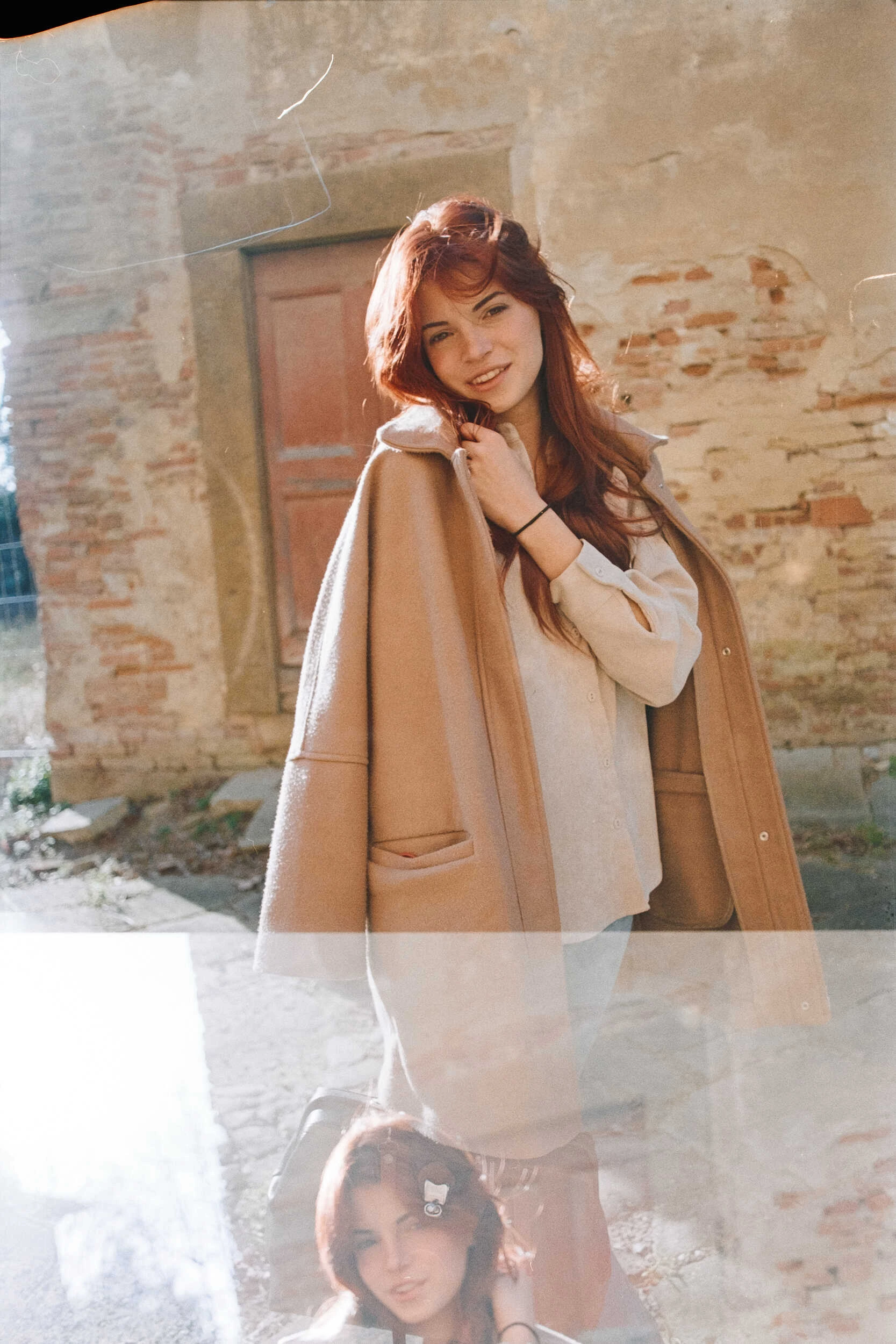
The colors are also truly unique! Some films, such as the Kodak Porta, have in fact unique tones, as I said before, which are difficult to replicate with presets in Lightroom or Capture One. And then it can happen, as it did to me in this session, that an unintentional double exposure occurs!????





Leave a Reply